-
10 Reasons You Must Visit Naksansa Gwaneuimji국내방문 2026. 3. 17. 10:35728x90
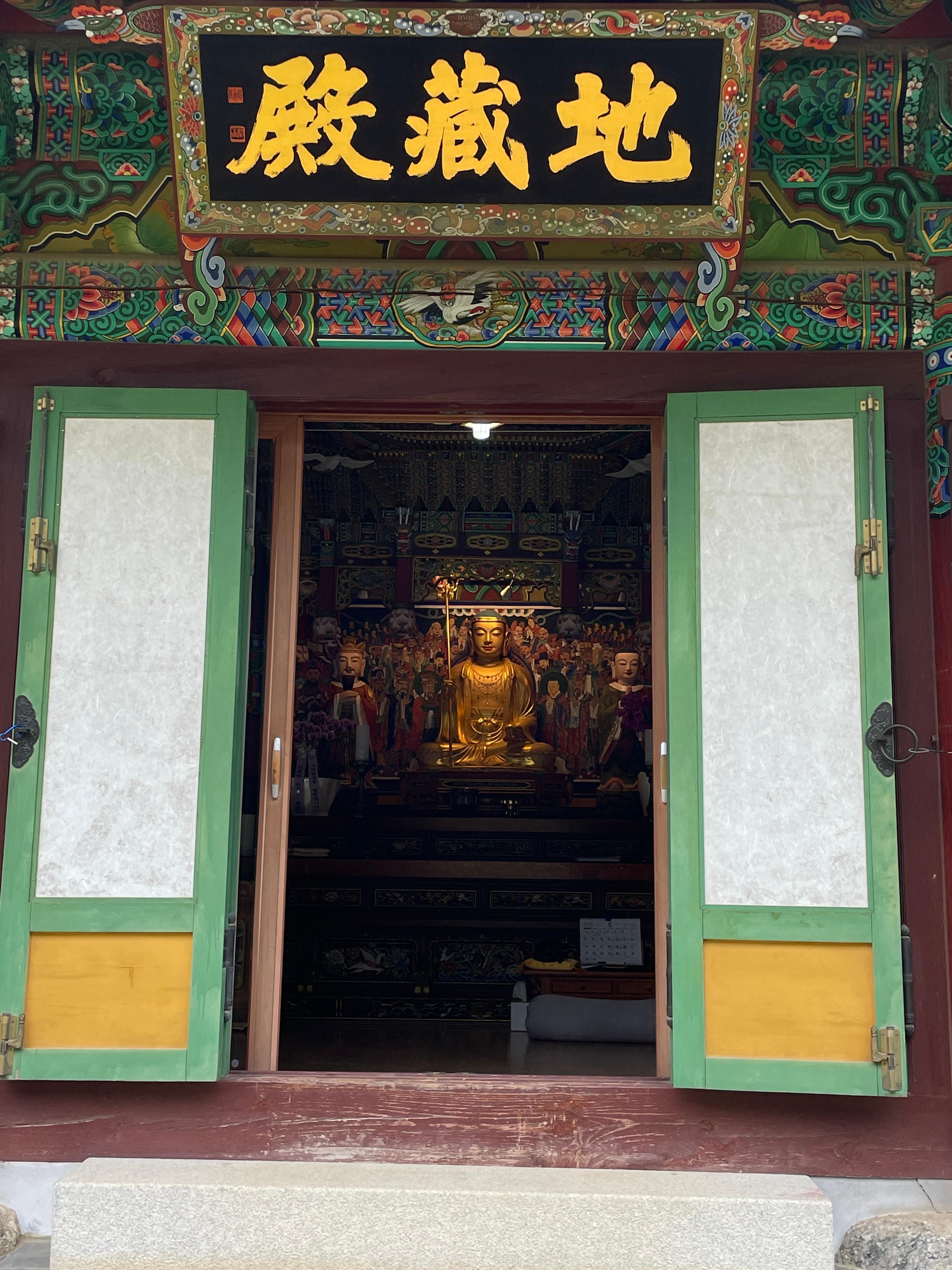
When I first heard about Naksansa Gwaneuimji — a small lotus pond tucked in front of Botajeon Hall — I honestly thought, "It's just a pond, right?" But the moment I actually stood there, I was completely taken by surprise. The sight of lotus flowers floating gently on the still water, framed by ancient temple rooftops, was far more breathtaking than I ever expected. I ended up staying there the longest out of everywhere I visited that day.
If you're planning a trip to Yangyang in Gangwon Province, there are more than enough reasons to add Naksansa — and its beautiful Gwaneuimji pond — to your itinerary. In this post, I'll walk you through 10 reasons why you absolutely should visit, along with personal experiences and practical tips to help you plan.
◆ Naksansa Gwaneuimji – Essential Visitor Information
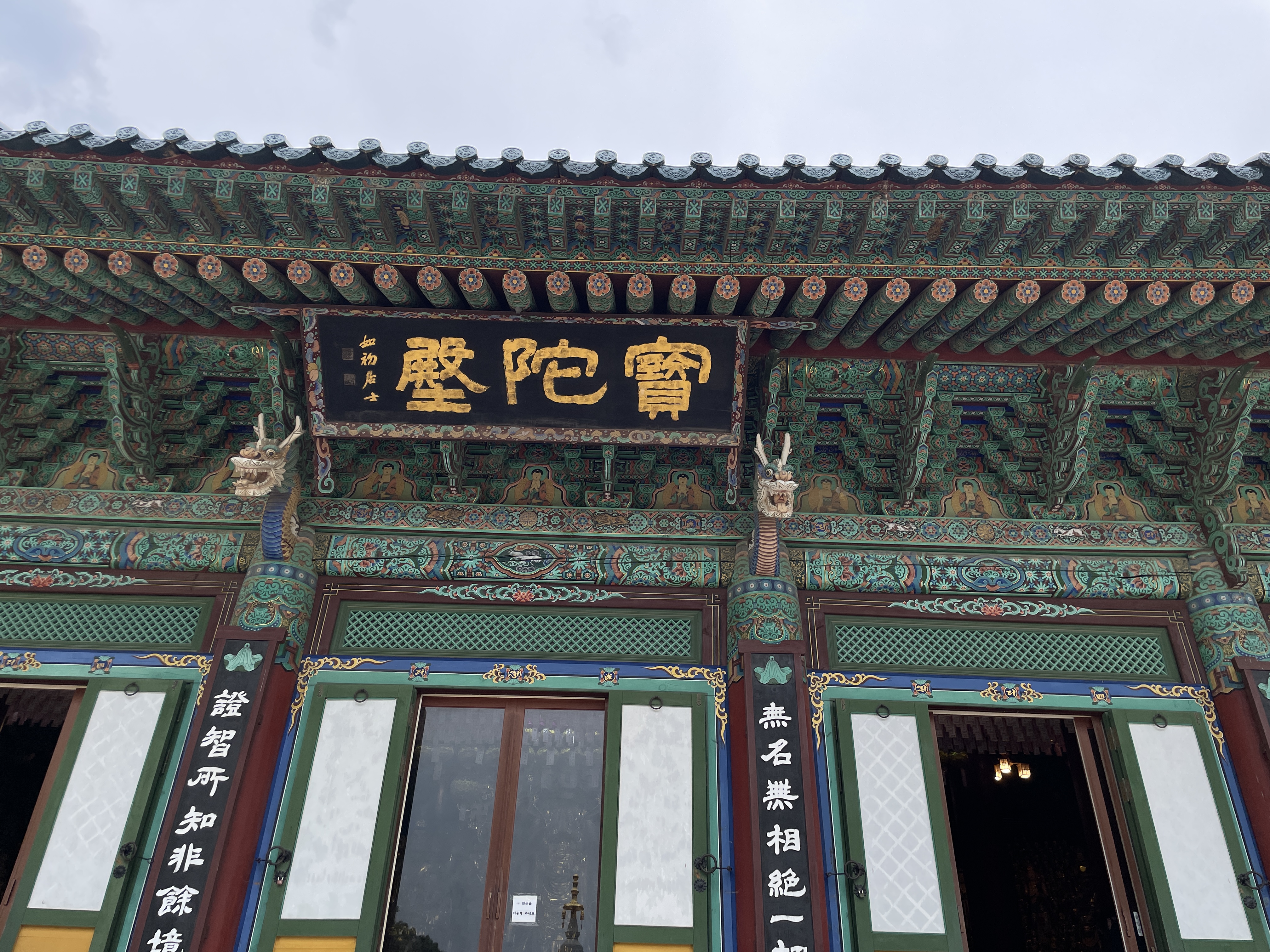
Naksansa Temple was founded in 671 AD by the Buddhist monk Uisang, giving it over 1,300 years of history. Located at 100 Naksansa-ro, Ganghyeon-myeon, Yangyang-gun, Gangwon Province, it is considered one of Korea's three great Gwaneum sacred sites, alongside Bomunsa on Ganghwa Island and Boriam in Namhae.
📌 Visit Naksansa Official Website
◆ 10 Reasons to Visit Naksansa Gwaneuimji
▸ Reason 1. Gwaneuimji Lotus Pond – A Healing Oasis Inside the Temple

Gwaneuimji is a small but truly beautiful pond sitting right in front of Botajeon Hall. In summer — typically from late June through August — lotus flowers begin to bloom one by one, and the sight of them floating gently on the calm water against a backdrop of temple rooftops is genuinely stunning. There's often a tiny turtle perched on a stone in the middle of the pond, which is so charming that you'll find yourself watching it for longer than you planned.
👤 Personal Experience! I almost walked straight past it, but there was a shaded rest area right beside the pond so I decided to sit for a moment. With the sound of the wind, water, and birds all blending together, I suddenly felt a wave of calm wash over me. I wasn't there for more than ten minutes, yet it felt like I'd been resting for much longer.▸ Reason 2. Hongnyeonam Hermitage – A Prayer Hall Built Over the Sea
One of the most unforgettable spots at Naksansa is Hongnyeonam Hermitage. Its name comes from the legend that the monk Uisang witnessed a vision of the Bodhisattva Gwaneum emerging from a red lotus flower here. The hermitage is quite literally perched on a rocky cliff over the ocean — and the floor has a small opening through which you can see the waves crashing below. The first time I looked down through it, I couldn't help but say "Wait, what is this?" out loud. It's recognized as one of the world's eight great Gwaneum sacred sites, and once you see it in person, you instantly understand why.
💡 TIP! Hongnyeonam is a quiet space for prayer and reflection. Once inside, you can peer through the small hole in the floor and watch the ocean waves below. It's a popular spot for making wishes, so make sure you step inside.▸ Reason 3. Uisangdae Sunrise – A View You'll Never Forget

Uisangdae is an octagonal pavilion perched on a cliff overlooking the East Sea. First built during the reign of King Sejo of Joseon, it even appears in the famous poem "Gwandongbyeolgok" by Jeong Cheol. On a clear day, the view of the East Sea from here is simply breathtaking. It's especially known as one of Korea's top sunrise spots — arrive early in the morning and you can watch the sun rise from the horizon. The combination of the temple's blue-tiled roof, the deep blue sea, and the Haesu Gwaneum Statue all in one frame creates a scene you simply can't find anywhere else.
▸ Reason 4. The Haesu Gwaneum Statue – 15 Meters of Sheer Majesty

Standing at the top of Naksansa is the Haesu Gwaneum Statue — a towering 15-meter-tall, 3-meter-circumference Buddhist statue erected in the 1970s. It gazes out toward the East Sea, and the sheer scale of it is something you really have to experience in person to appreciate. Standing right in front of it, you feel just how massive it is. Behind it you can see the peaks of Seoraksan Mountain, and in front stretches the wide-open East Sea — the composition is genuinely spectacular. Many visitors gently touch the base of the statue while making a wish.
◆ More Reasons Not to Miss Naksansa Gwaneuimji
▸ Reason 5. Completely Free Admission – A 1,300-Year-Old Temple with No Entry Fee

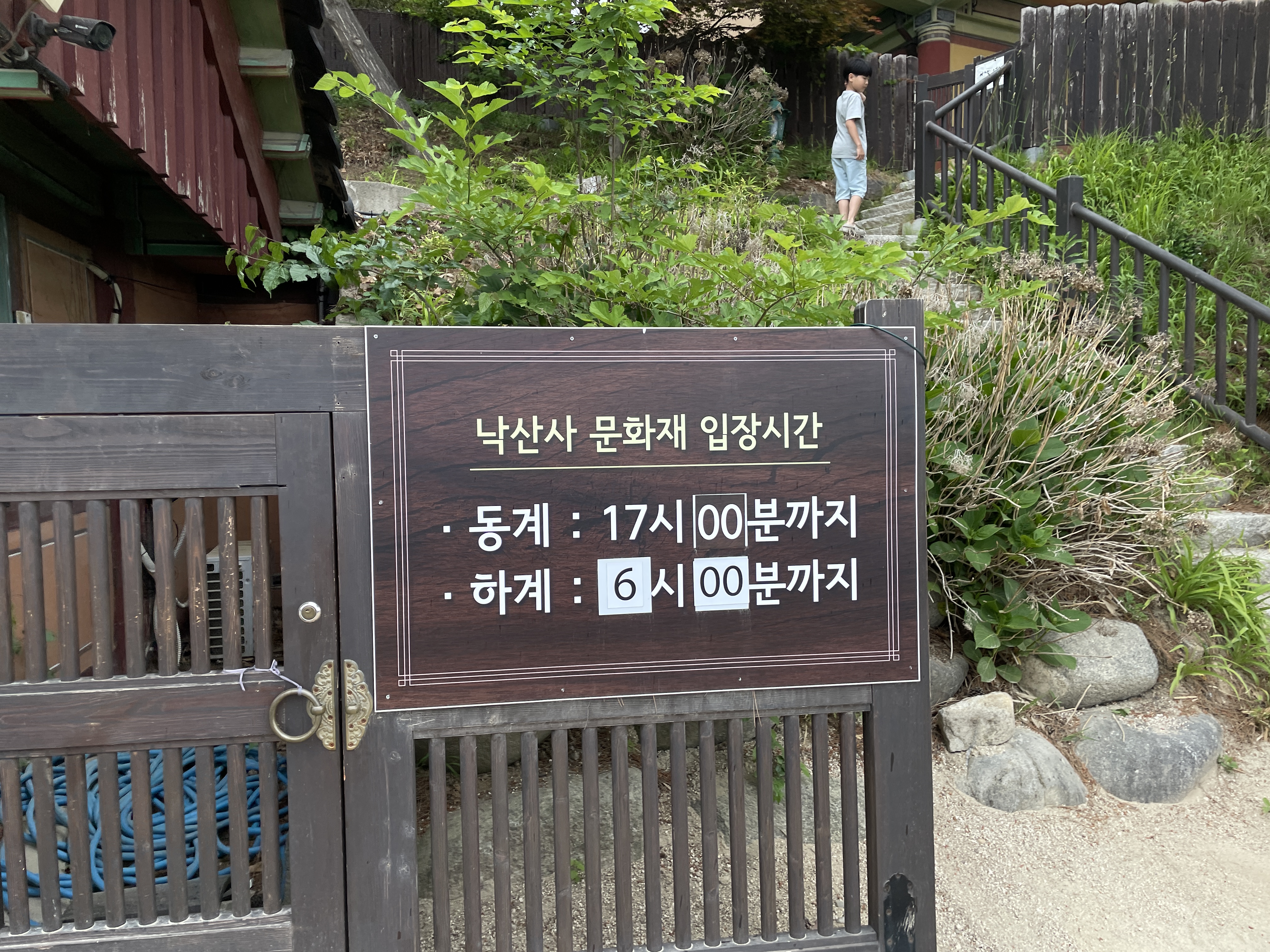
Since May 4, 2023, the admission fee at Naksansa was completely abolished following a revision to the Cultural Heritage Protection Act. It used to cost around ₩4,000 for adults, but now you can simply walk in for free. There's even a complimentary tea corner inside the temple grounds where you can enjoy cold coffee or roasted barley tea at no charge. Honestly, it's hard to believe scenery this stunning is available for free.
▸ Reason 6. A Relaxed 90-Minute Loop Trail – Easy Walking for Everyone

Naksansa is laid out as a circular walking route — Uisangdae → Haesu Gwaneum Statue → Gwaneuimji → Hongnyeonam → Naksan Beach. The whole loop takes about 90 minutes at a leisurely pace, and the terrain is gentle enough that even those with knee issues should be able to manage it comfortably. Shaded benches are dotted throughout the path, and the coastal walking section with its sea breeze is especially refreshing.
▸ Reason 7. Over 1,300 Years of Cultural Treasures – History You Can See Up Close

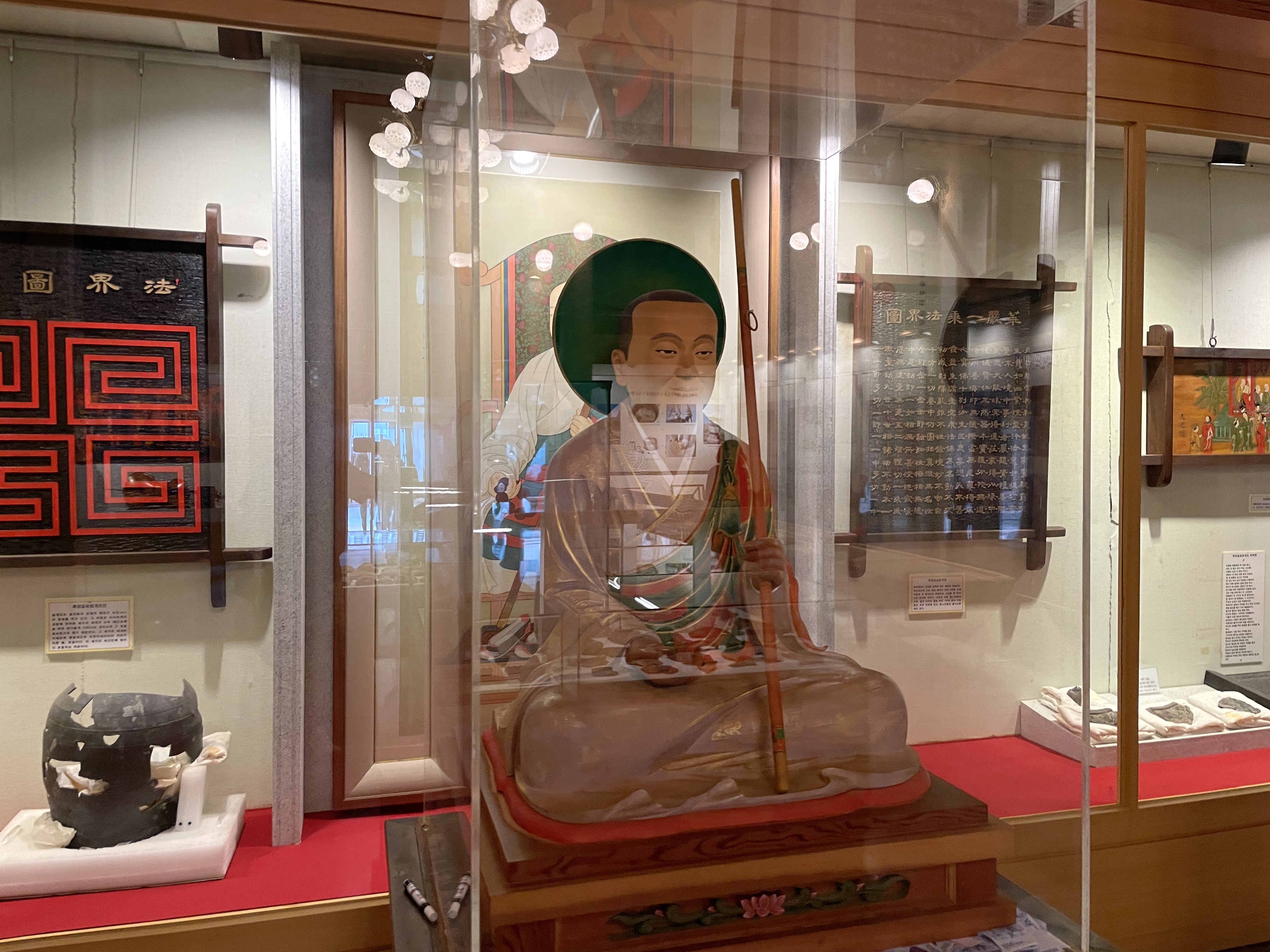
Inside Naksansa's grounds, there are several nationally designated cultural heritage items waiting to be seen. These include the Seven-Story Stone Pagoda rebuilt during King Sejo's reign, the Dry-Lacquer Seated Gwaneum Bodhisattva (National Treasure No. 1362), and the Haesu Gwaneum Aerial Relic Pagoda (Treasure No. 1723). You can stand right in front of pieces you've only ever seen in textbooks — and even though you weren't planning a history lesson, you end up absorbing it naturally just by walking around.
✅ Official Korea Tourism Organization – Naksansa Info
◆ A Few More Things Worth Knowing About Naksansa Gwaneuimji
▸ Reason 8. A Different Look Every Season – Worth Visiting All Year Round

Naksansa has a completely different feel depending on when you visit. In spring, fresh greenery fills every corner. In summer, the lotus flowers at Gwaneuimji bloom alongside the sparkling blue sea. Autumn brings a striking contrast between the fall foliage and the temple's blue-tiled roof. And in winter, the quiet atmosphere of the temple set against a snow-dusted Seoraksan backdrop feels particularly moving. I visited in summer, but hearing other people say "it's even more beautiful in winter when it snows" made me want to come back in every season.
▸ Reason 9. Direct Access to Naksan Beach – Temple and Sea in a Single Day

Once you finish walking the temple loop, the path connects directly to Naksan Beach. Being able to go straight from exploring a temple to strolling along a sandy beach is one of Naksansa's most unique charms. The beach stretches for about 4 kilometers with crystal-clear East Sea water waiting for you. The ability to experience the serenity of a temple and the openness of the ocean all in one trip makes the value for your time genuinely hard to beat.
👤 Personal Experience! After finishing the full loop at Naksansa, I followed the forest trail down to the beach. The way it naturally transitioned from the hushed calm of the temple to the wide-open feel of the ocean was just wonderful. Walking barefoot on the sand was something I hadn't done in ages — I came back feeling truly recharged.▸ Reason 10. The Story of the 2005 Fire and Rebuilding – A Meaning That Goes Deeper
Naksansa carries the painful memory of a devastating wildfire in 2005 that destroyed a large portion of the temple. Yet remarkably, both Hongnyeonam Hermitage and the Haesu Gwaneum Statue were left completely unscathed — a fact that many believe to be a sign of the Bodhisattva's grace and protection. Following extensive restoration work, the temple has been rebuilt to what you see today. Knowing this story changes how you look at everything around you. It's not just a beautiful temple — it's a place that has endured, recovered, and carries that history within it.
⚠️ Before You Go! Pets are not permitted inside Naksansa. On weekends and public holidays, the Uisangdae parking lot tends to fill up early, so it's a good idea to arrive in the morning or use the Naksan Beach public parking lot (free during off-peak season).◆ Frequently Asked Questions (FAQ)
▸ Q. When do the lotus flowers bloom at Gwaneuimji?
The lotus flowers usually start blooming from late June and can be enjoyed through August. The peak blooming period is generally mid-July to early August. If seeing the lotus flowers is your main goal, mid-July is the best time to visit.
▸ Q. Is admission to Naksansa really free?
Yes, the admission fee was completely abolished in May 2023. However, parking fees apply separately — approximately ₩4,000. The Naksan Beach public parking lot is free during the off-peak season.
▸ Q. How long does it take to see the whole temple?
Walking at a relaxed pace and visiting Gwaneuimji, Hongnyeonam, Uisangdae, and the Haesu Gwaneum Statue takes about 90 minutes in total. If you add in time for photos and breaks, two hours is a comfortable estimate.
▸ Q. How long does it take to get from Seoul to Naksansa?
With the Seoul–Yangyang Expressway well established, it takes roughly 2 to 2.5 hours by car from Seoul. Travel time has been cut significantly since the Inje-Yangyang Tunnel (approximately 11 km) opened. Express bus services are also available for those travelling by public transport.
▸ Q. Is it a good place to visit with children?
Yes, the paths are gentle enough for families with children. There's also a bell-ringing experience at the temple bell pavilion (available 08:00–19:00) that kids tend to love. Note that strollers may be difficult to use on some sections of the path. Wheelchairs are available to borrow at the entrance — just bring your ID.
🎬 Wrapping Up
So, to recap the 10 reasons why you should visit Naksansa Gwaneuimji:
✔️ Gwaneuimji Lotus Pond – A peaceful, healing spot right inside the temple
✔️ Hongnyeonam & Uisangdae – Ocean views from clifftop sacred spaces
✔️ Haesu Gwaneum Statue – An awe-inspiring 15-meter Buddhist icon
✔️ Free admission + 90-minute loop trail – Accessible and completely stress-free
✔️ Direct connection to Naksan Beach – Temple and sea in one trip
✔️ 1,300 years of history and national cultural treasures – History you feel just by walking
📣 Planning a trip to Yangyang, Gangwon Province? Make sure Naksansa Gwaneuimji is on your list!
If you have any questions, feel free to leave a comment below 😊728x90'국내방문' 카테고리의 다른 글
선봉집 김치찜, 성복역 데이파크에서 꼭 먹어야 할 이유 10가지 (0) 2026.03.17 2026년 낙산사 볼거리, 처음 방문자를 위한 동선 정리 (0) 2026.03.17 낙산사 관음지를 꼭 가봐야 하는 이유 10가지 (0) 2026.03.17 죠스실내낚시카페 신갈점 10가지 이유, 왜 용인 가족 나들이 1등일까? (0) 2026.03.14